The UrbanVance Approach
We believe meaningful participation requires more than just inviting people to meetings. It demands careful design, skilled facilitation, and genuine commitment to incorporating diverse voices into decision-making.
Why Participation Matters
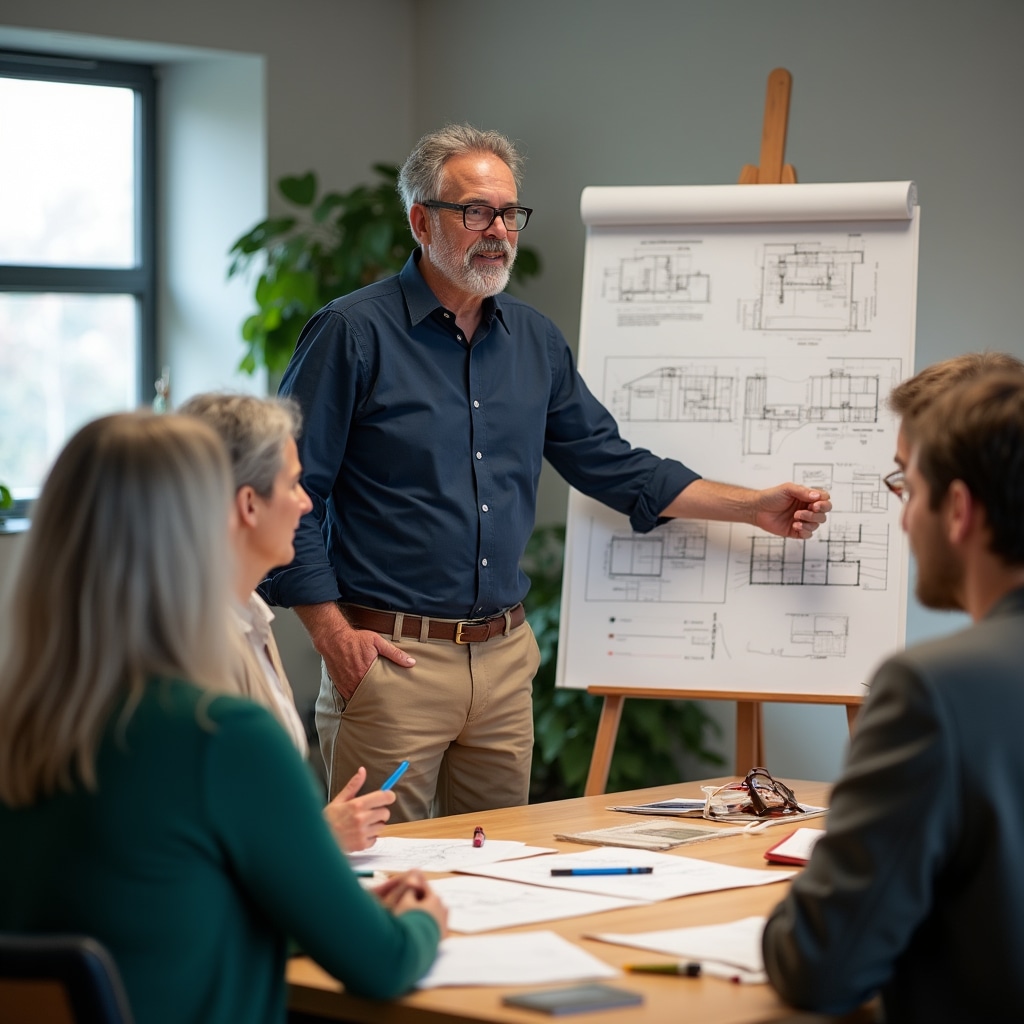
Public projects affect communities for decades. A new park, transit line, or development plan shapes how people live, work, and interact. When these decisions happen without genuine community input, the results often miss the mark. Projects face opposition, important concerns go unaddressed, and opportunities for creative solutions get lost.
But participation isn't just about avoiding conflict. It's about tapping into community knowledge that planners and officials might miss. Residents understand their neighborhoods in ways data can't capture. They know which shortcuts people actually take, which spaces feel safe, what times of day matter most.
When participation is done well, it produces better outcomes. Projects gain legitimacy because people had real influence. Solutions become more creative because diverse perspectives were genuinely considered. Communities feel ownership because they helped shape the result.
Our Core Principles
These principles guide every process we design and facilitate. They reflect what we've learned about what makes participation meaningful rather than merely performative.
Clarity of Purpose
Every participation process needs clear goals. What decisions are being made? What input is genuinely sought? Where can participants actually influence outcomes? We help municipalities define this upfront, so participants understand what's at stake and what role they can play.
Inclusive Engagement
Participation that only reaches the usual suspects isn't truly representative. We design outreach strategies that engage diverse community members, including those who typically don't attend public meetings. This means meeting people where they are, both literally and figuratively.
Structured Dialogue
Good facilitation creates space for productive conversation. This means balancing structure with flexibility, ensuring all voices are heard while keeping discussions focused. It requires active listening, managing group dynamics, and helping participants move from positions to interests.
Connecting Input to Outcomes
Participation fails when input disappears into a black box. We ensure clear connections between what participants say and what happens next. This includes transparent documentation, explaining how input influenced decisions, and closing feedback loops so people see their contributions mattered.
The Role of the Facilitator
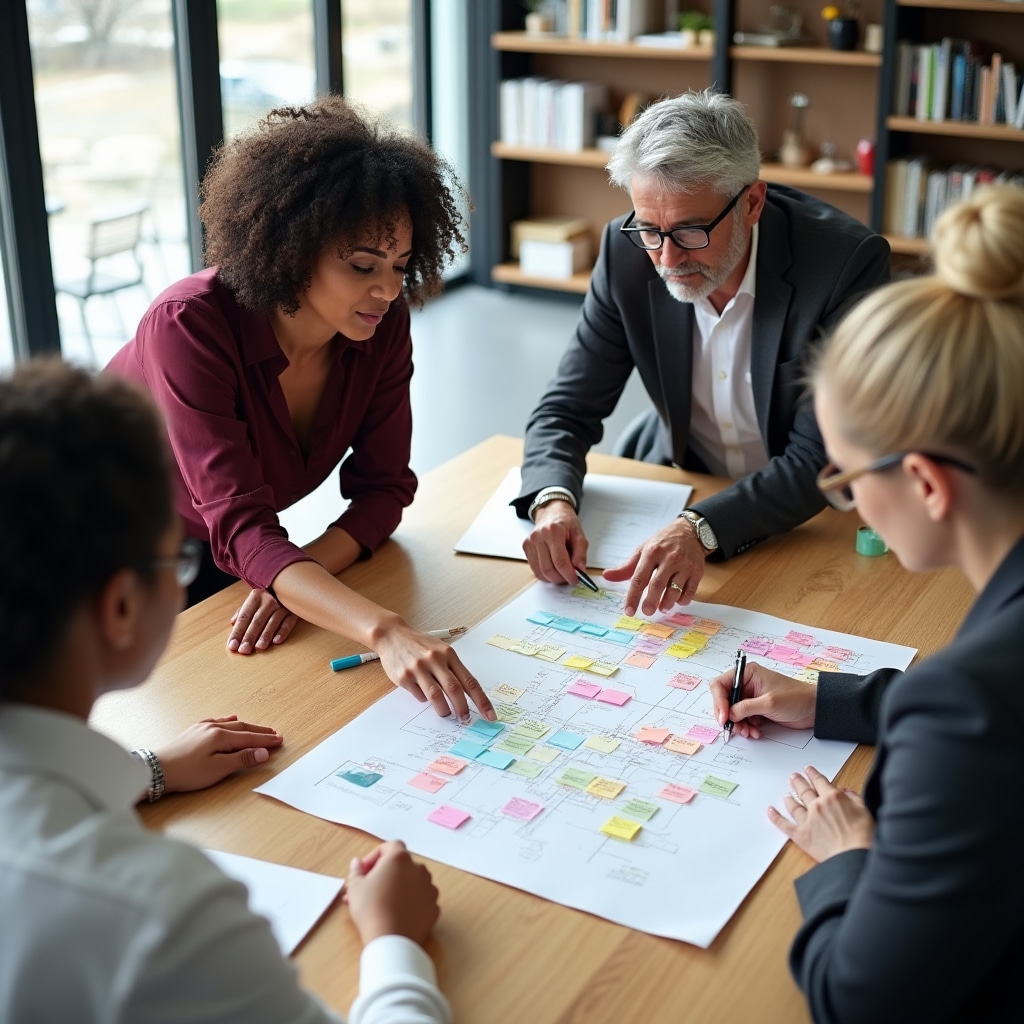
Facilitation is both art and craft. A skilled facilitator creates conditions for productive dialogue without controlling the outcome. We see our role as helping groups do their best thinking together.
This means reading group dynamics in real-time. Noticing when someone has been trying to speak. Sensing when a conversation needs to slow down or speed up. Recognizing when conflict is productive versus destructive. Knowing when to intervene and when to let the group work things out.
Good facilitators also translate between different ways of knowing. Technical experts speak one language, community members another. Part of our job is helping these groups understand each other, making technical information accessible while ensuring local knowledge gets proper weight.
Perhaps most importantly, facilitators maintain neutrality while managing power dynamics. Public meetings often favor those comfortable with formal settings, those with professional expertise, or those with more time. We work to level these playing fields so all participants can contribute meaningfully.
How We Work
Our process adapts to each project's unique context, but these elements form the foundation of how we approach citizen participation.

Beyond the Workshop
Workshops and meetings are important, but they're just one part of effective participation. Real engagement happens in multiple ways, at different times, through various channels.
Some people prefer written input to speaking in groups. Others want to see visual representations before commenting. Some need time to consult with neighbors or family before forming opinions. Effective participation processes accommodate these different styles of engagement.
We also recognize that participation is often a long-term process, not a one-time event. Complex projects unfold over months or years. Community priorities evolve. New questions emerge as projects develop. Our approach includes strategies for maintaining engagement and adapting participation as projects progress.
This might mean creating ongoing advisory groups, establishing regular check-ins with key stakeholders, or developing platforms for continuous input. The goal is making participation a genuine part of how projects develop, not something tacked on at the beginning.
Let's Discuss Your Project
Every community and project is unique. The participation approach that works for one situation might not fit another. We'd like to learn about your specific context, challenges, and goals.
Whether you're at the beginning of a project and exploring participation options, or facing challenges in an ongoing process, we're here to help think through approaches that could work for your situation.