Our Areas of Expertise
We bring specialized knowledge to different types of participation processes. Each context requires adapted approaches, but all share the same commitment to genuine community engagement.
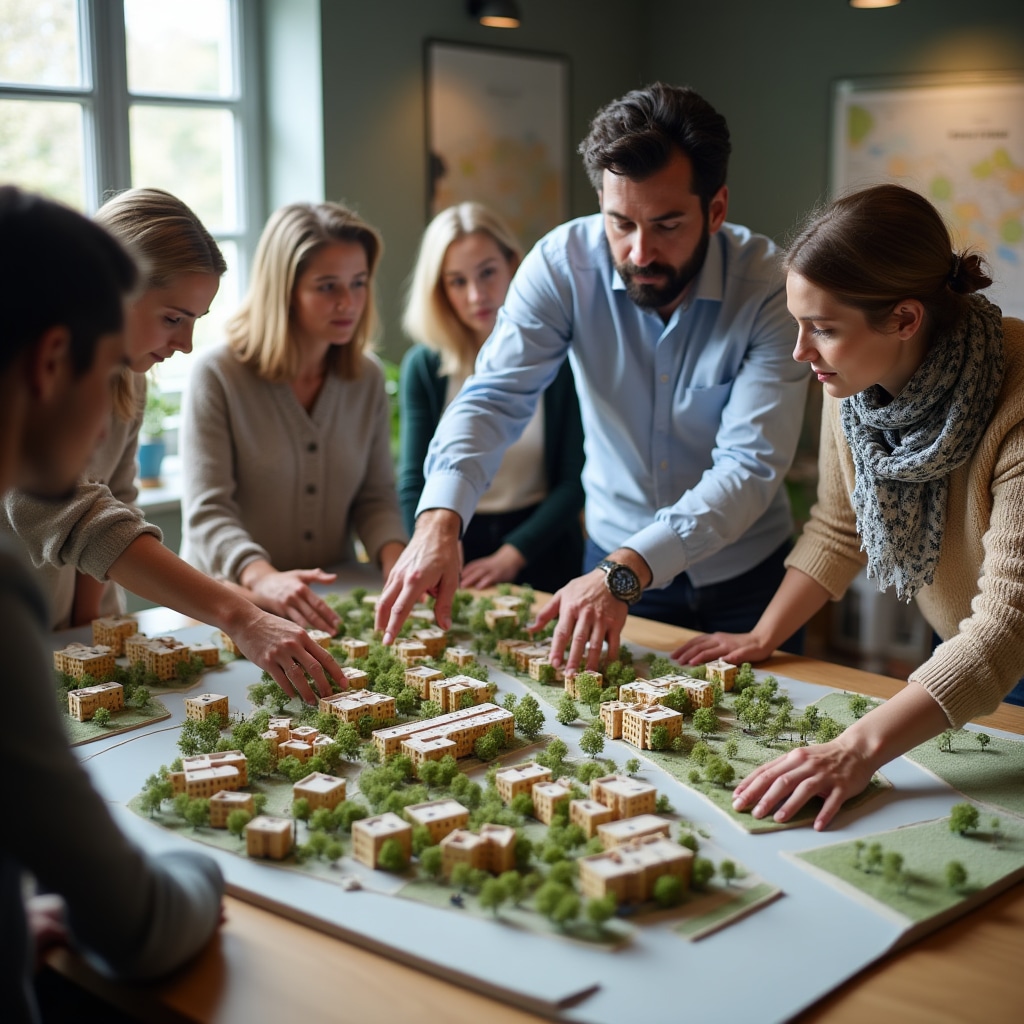
Urban Planning Participation
Urban planning shapes how people experience their cities for generations. A master plan, neighborhood redesign, or zoning change affects daily life in profound ways. Yet planning documents are often technical and inaccessible, making meaningful participation challenging.
We facilitate planning processes that make complex information understandable and create opportunities for residents to genuinely influence outcomes. This includes translating technical concepts into accessible language, visualizing alternatives so people can understand trade-offs, and structuring dialogue that helps diverse stakeholders find common ground.
Our work in urban planning ranges from comprehensive master plans to specific neighborhood initiatives. We've facilitated visioning processes for entire districts, helped communities shape public space designs, and mediated conflicts around controversial development projects.
What makes planning participation effective is moving beyond simply presenting plans for comment. We help communities understand the constraints and opportunities planners work within, while ensuring planners understand community priorities and local knowledge. This creates dialogue rather than presentation, collaboration rather than consultation.
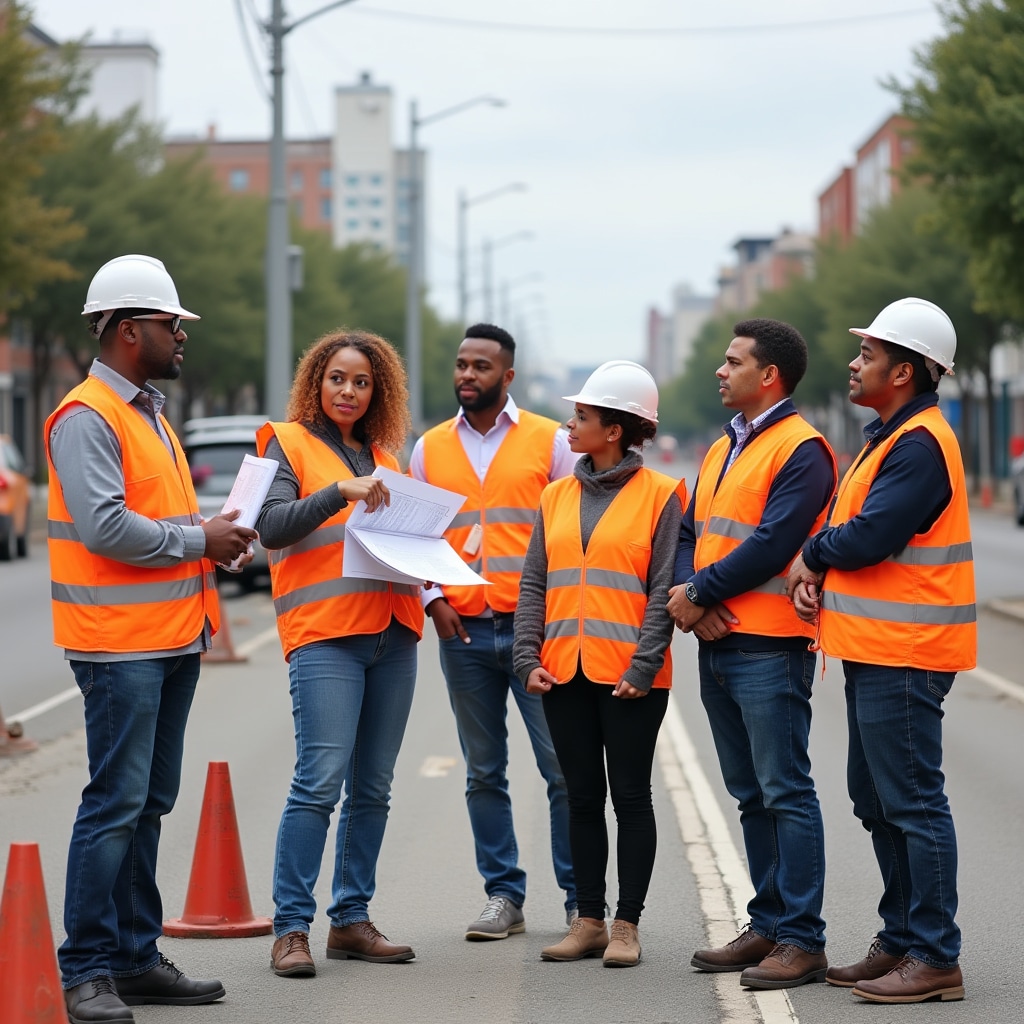
Infrastructure Project Engagement
Infrastructure projects are technically complex and often controversial. Whether it's a new transit line, water system upgrade, or energy facility, these projects involve engineering constraints, environmental considerations, and significant community impacts.
Effective participation in infrastructure projects requires bridging technical and community perspectives. Engineers need to understand community concerns. Residents need to understand technical constraints and trade-offs. Both need structured processes for working through disagreements constructively.
We design engagement processes that accomplish this bridging. This includes creating accessible technical information, facilitating site visits and workshops where people can see and understand project elements, and helping stakeholders evaluate alternatives based on both technical and community criteria.
Our approach recognizes that infrastructure projects unfold over extended timelines. Engagement can't be a one-time event at the beginning. We help municipalities maintain ongoing dialogue with affected communities throughout project phases, addressing concerns as they arise and adapting approaches as projects evolve.
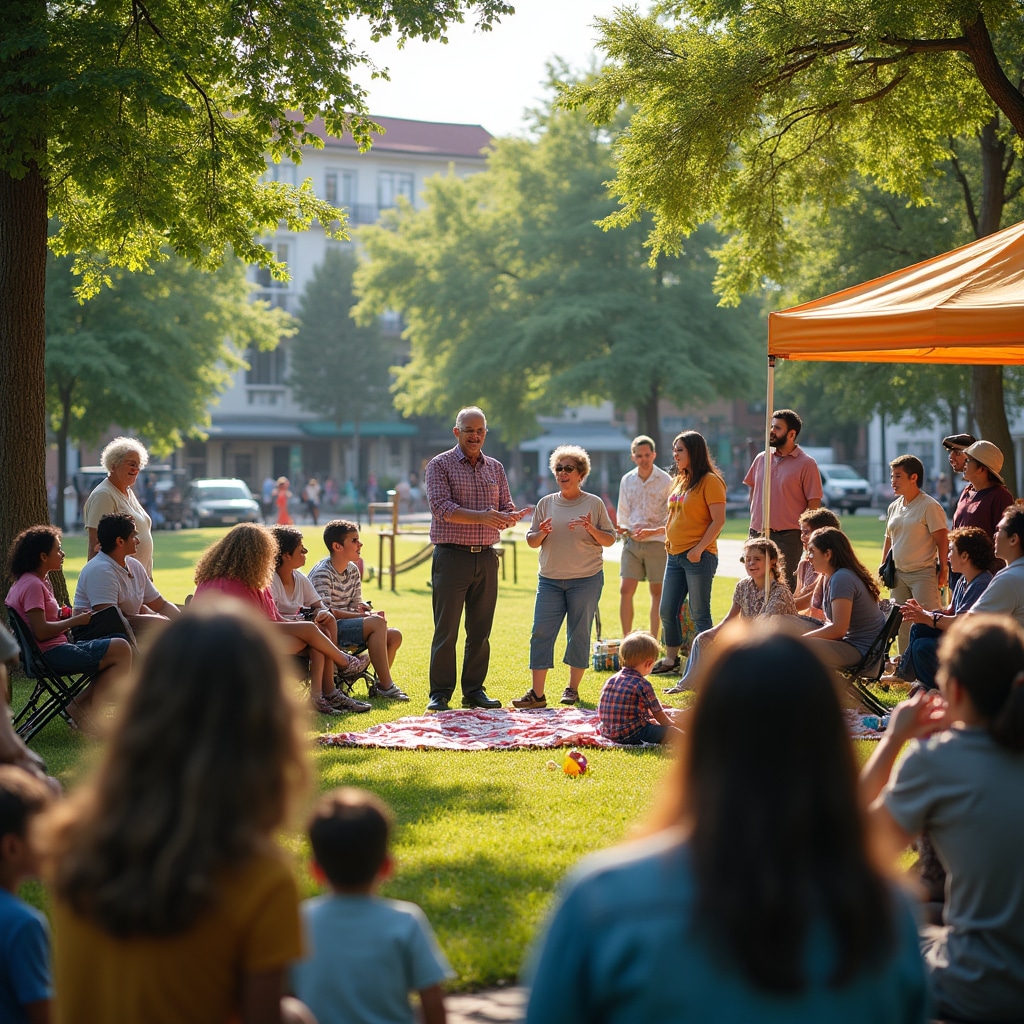
Community Development Processes
Strong communities don't happen by accident. They're built through intentional processes that bring diverse residents together, identify shared priorities, and mobilize collective action. Community development work is about strengthening the social fabric that makes neighborhoods thrive.
We facilitate community development initiatives that range from neighborhood improvement projects to comprehensive community planning. This work often starts with helping communities identify their own assets and priorities rather than having external actors define problems and solutions.
Our facilitation in community development emphasizes inclusive participation. This means reaching beyond the usual community leaders to engage residents who are often left out, including renters, youth, recent immigrants, and others whose voices are frequently marginalized in community processes.
Community development participation requires patience and sustained engagement. Building trust takes time. Mobilizing action requires ongoing support. We help communities develop their own capacity for self-organization while providing facilitation support for key moments when skilled moderation makes the difference between productive dialogue and frustrating meetings.
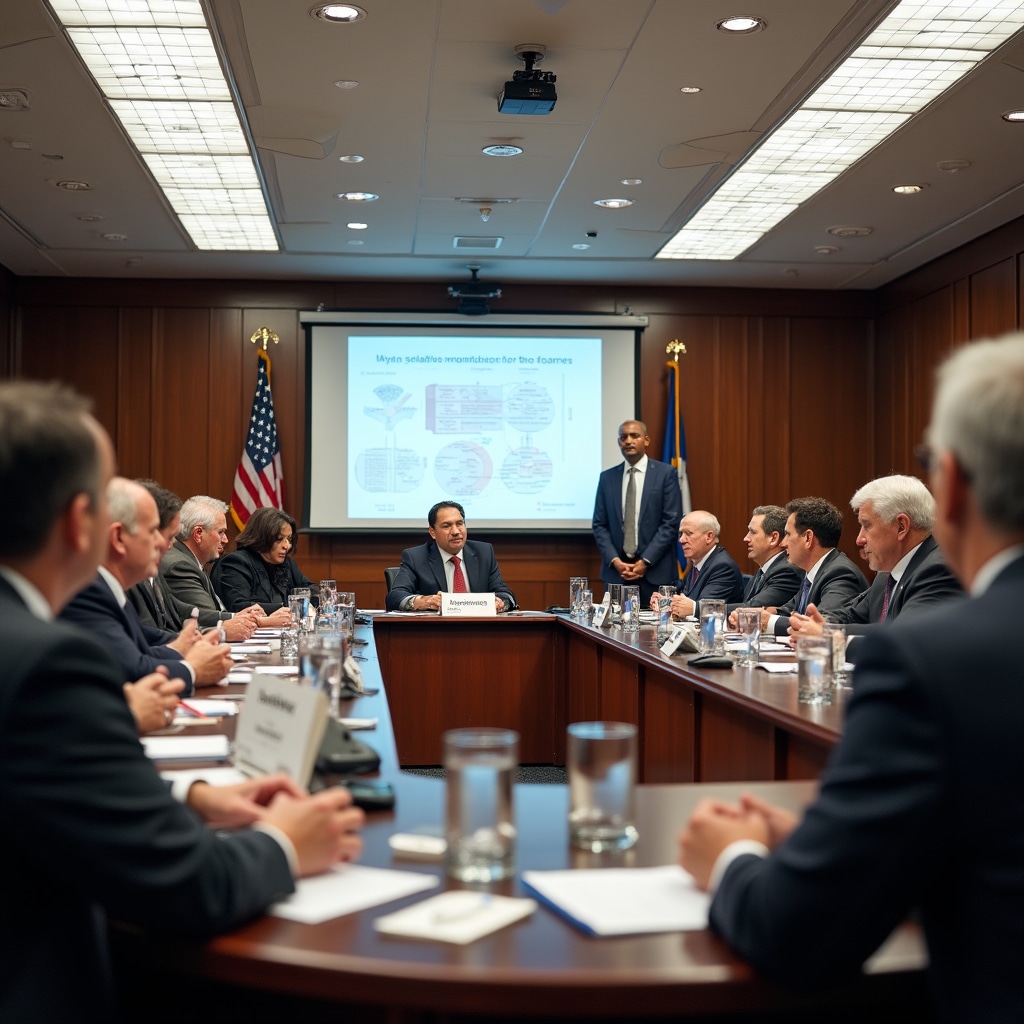
Policy Development Participation
Municipal policies affect daily life, yet policy-making often feels distant from citizens. Regulations about housing, transportation, environment, and services shape community life, but residents rarely have meaningful input into policy formation.
We design participation processes that bring citizens into policy development in substantive ways. This isn't about rubber-stamping decisions already made, but genuinely incorporating community perspectives into policy formation. It requires creating accessible ways for people to understand policy options and their implications.
Policy participation often involves deliberative approaches where participants learn about issues, consider different perspectives, and work toward recommendations. We facilitate these deliberative processes, helping groups navigate complex policy questions while ensuring diverse viewpoints are heard and considered.
Our work in policy participation includes helping municipalities design public comment processes that actually inform decisions, facilitating stakeholder roundtables that bring different interests together, and creating opportunities for ongoing citizen input as policies are refined and implemented.
Specialized Facilitation Methods
Different participation contexts require different facilitation approaches. We draw on a range of methods, adapting them to specific situations and combining them as needed.
Visioning Workshops
Helping communities articulate shared aspirations for their future. We use creative exercises that move beyond complaints to positive visions, then work to identify concrete steps toward those visions.
Design Charrettes
Intensive collaborative design sessions that bring together diverse stakeholders to develop solutions. These work particularly well for physical planning projects where visual exploration helps people understand options.
Deliberative Forums
Structured processes where participants learn about complex issues, consider different perspectives, and work toward informed recommendations. Particularly valuable for policy questions with no easy answers.
Consensus Building
Facilitation approaches designed to help stakeholders with different interests find mutually acceptable solutions. This involves identifying underlying interests, generating creative options, and building agreements.
Asset Mapping
Helping communities identify their existing strengths and resources. This shifts focus from deficits to assets, creating more positive and empowering participation processes.
Stakeholder Analysis
Systematic identification and engagement of relevant stakeholders. This ensures participation processes reach all affected parties and understand different interests at play.
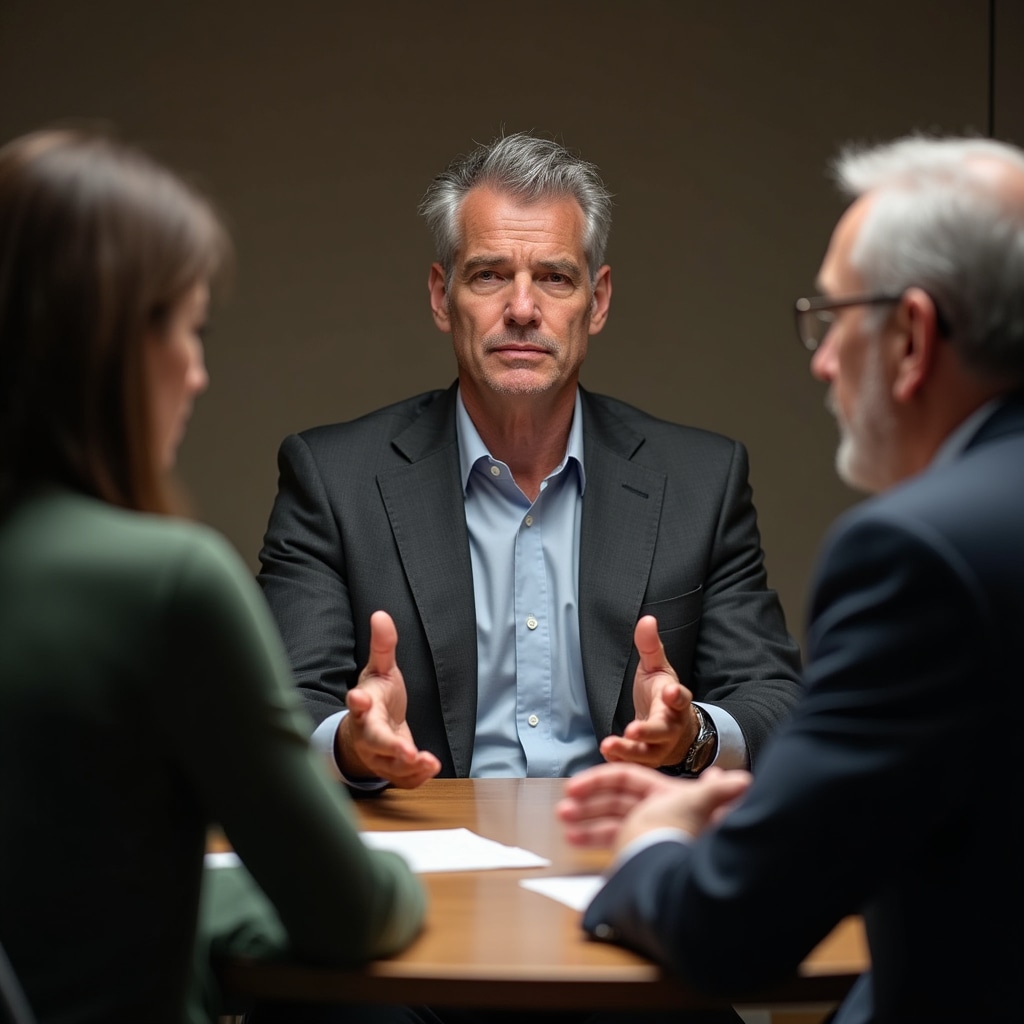
Conflict Mediation in Community Projects
Not all participation processes run smoothly. Sometimes conflicts arise that threaten to derail projects. Deeply held values clash. Historical grievances resurface. Technical constraints frustrate community aspirations. These are the moments when skilled mediation becomes essential.
Our approach to conflict mediation doesn't seek to eliminate disagreement. Conflict often signals that something important is at stake. The goal is making conflict productive rather than destructive, helping parties understand each other's underlying interests and find creative solutions that address core concerns.
We bring structured mediation processes that help parties move from positions to interests. A position is what someone says they want. An interest is why they want it. Often, parties with opposing positions share underlying interests. Finding these shared interests opens possibilities for solutions that satisfy everyone.
Effective mediation also requires managing power imbalances. In community conflicts, some parties have more resources, expertise, or institutional power. We work to level these playing fields so all parties can participate meaningfully in finding solutions.
Documentation & Knowledge Transfer
Participation processes generate valuable insights, but these insights are only useful if they're captured and communicated effectively. We provide comprehensive documentation that transforms conversations into actionable knowledge.
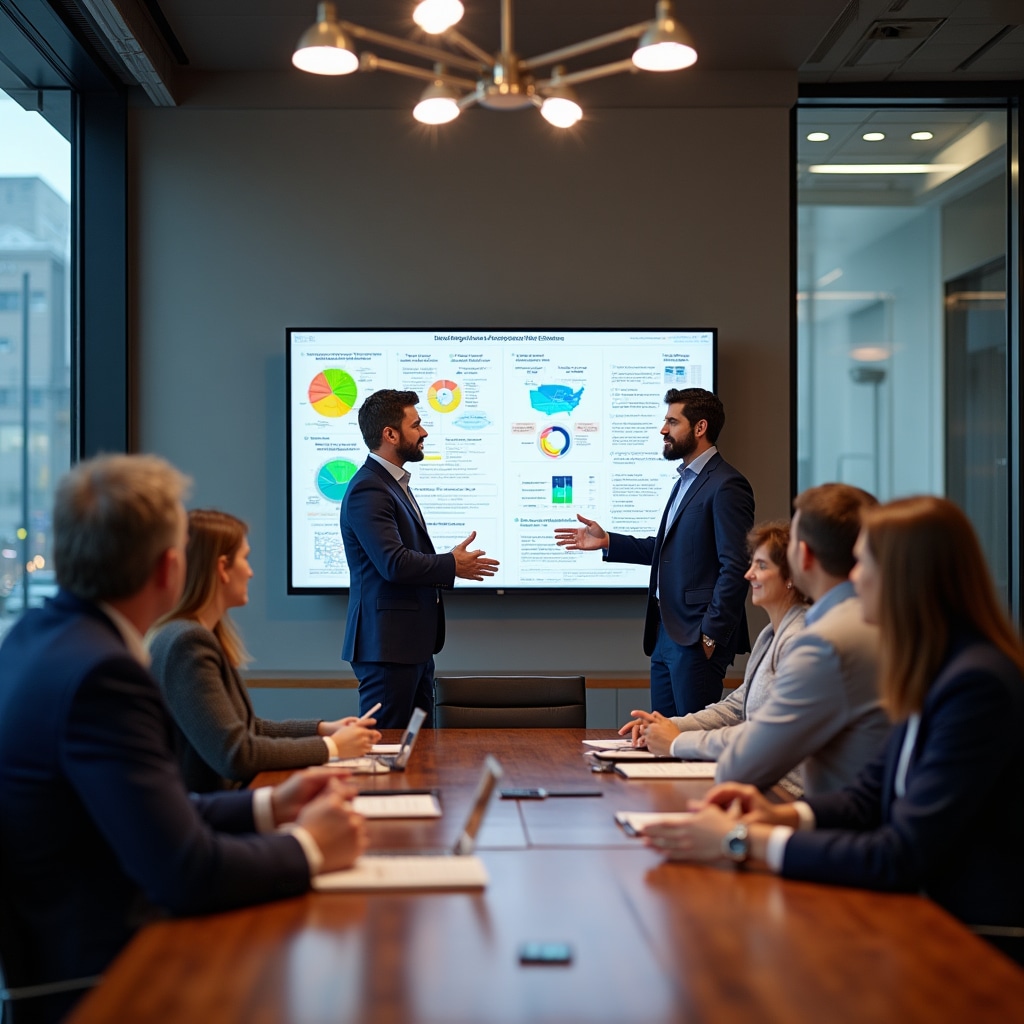
What We Document
Our documentation goes beyond simple meeting notes. We synthesize what we hear, identifying themes and patterns across multiple conversations. We highlight areas of consensus and disagreement. We capture the reasoning behind different viewpoints, not just the conclusions.
Documentation includes visual elements that make findings accessible. Maps showing geographic patterns in feedback. Charts illustrating priorities. Quotes that bring community voices into reports. Photos that capture the spirit of participation events.
We also document the process itself, not just outcomes. This includes who participated, what methods were used, and how decisions were made. This transparency builds trust and creates records that help future participation efforts learn from past experience.
Finally, we help translate participation findings into formats useful for decision-making. This might mean policy recommendations, design alternatives, implementation priorities, or other outputs that connect community input to next steps.
Ready to Discuss Your Participation Needs?
Each project brings unique challenges and opportunities. We'd like to learn about your specific situation and explore how our facilitation expertise might support your goals.
Whether you're planning a new participation process or facing challenges in an ongoing effort, we're here to help think through approaches that could work for your context.